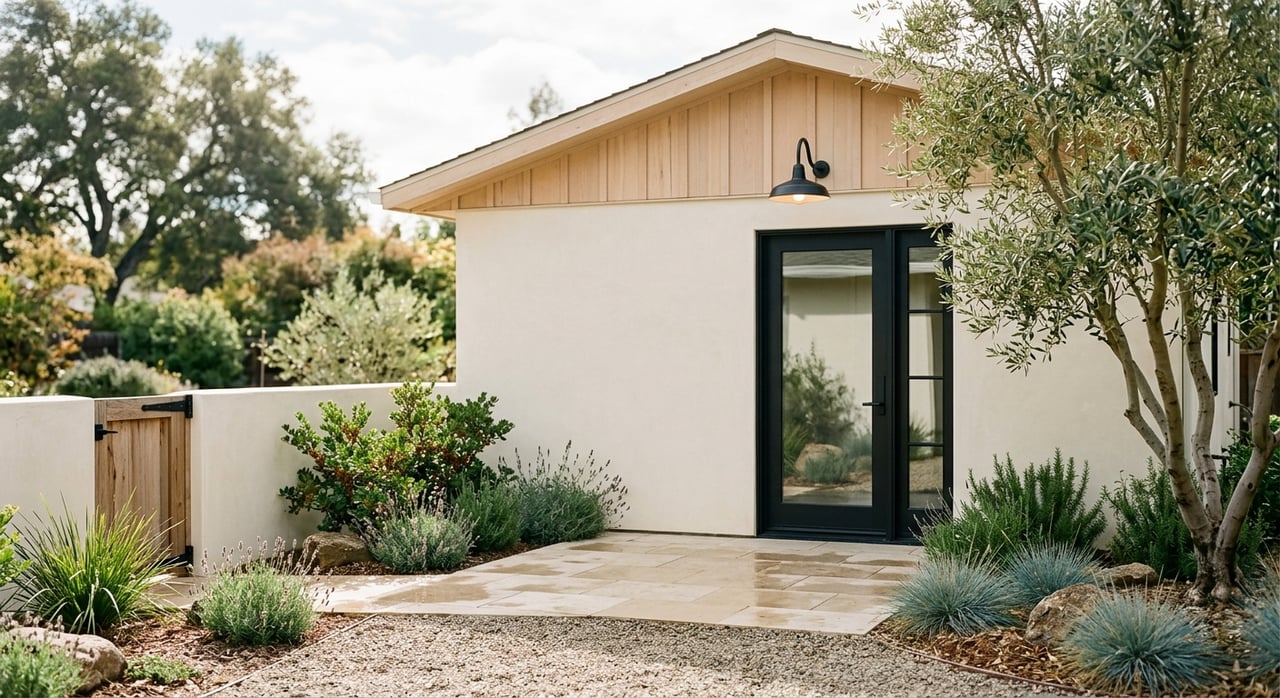
Thinking about buying your first rental in Tracy? You are not alone. With a growing population, a large base of single-family homes, and rents that can support long-term planning, Tracy often shows up on the radar for first-time investors who want a more approachable entry point than many core Bay Area markets. The key is knowing how to evaluate the numbers, the property type, and the California rules that can shape your returns before you buy. Let’s dive in.
Why Tracy attracts first-time investors
Tracy is a growing city in San Joaquin County with about 100,136 residents. Census data shows population growth of 7.5% from the 2020 census base to July 1, 2024, which helps explain why many buyers see Tracy as a market with ongoing rental demand rather than a flat one.
The city also has a meaningful renter base. Census QuickFacts reports that 65.0% of occupied housing units are owner-occupied, and the 2020-2024 median gross rent is $2,478. More recent market trackers place average rent around $2,717 in May 2026 and the median sale price near $665,000 in March 2026.
For a first rental, those numbers matter because they give you a starting point for underwriting. Based on those market figures, gross annual rent is about $32,600, which works out to an estimated gross yield near 4.9% before financing and operating costs. That is not your final return, but it is a useful first screen.
What to know about Tracy housing stock
Tracy’s housing mix can shape what kind of first investment is realistic. City planning materials describe roughly 29,600 housing units, with about 83% of homes in the single-family category and about 4,400 apartment units across 171 buildings.
That matters because most first-time investors in Tracy will likely spend more time evaluating detached homes than large multifamily properties. It also means newer apartment supply has been limited. The city’s planning analysis notes that most apartment buildings were developed before 2000, with only five new apartment buildings added in the past 12 years.
The city is also accessible by I-580, I-205, and I-5. For many renters, access and connectivity are part of the appeal, so it makes sense to consider how a property fits daily travel patterns when you compare options.
Best first rental property types
Single-family homes
Single-family homes are often the clearest starting point in Tracy. Because they make up most of the local housing stock, they are generally easier to compare, easier to resell later, and often simpler for a first-time investor to understand.
They can also offer more flexibility for future updates or lot-level improvements, depending on the parcel. If you are buying your first rental, this property type often gives you the most straightforward path for analysis.
Condos and townhomes
Condos and townhomes can offer a lower entry price than a detached home. That can help if you want to get into the market with less upfront capital.
Still, you need to account for HOA dues and shared-maintenance rules from day one. Those costs can materially change your monthly cash flow, so they should be built into your budget before you make an offer.
ADU potential
In Tracy, an accessory dwelling unit can be a meaningful long-term play on the right lot. The city allows one ADU on a qualifying residential lot with one existing single-family dwelling, and it offers pre-approved ADU plans.
That said, you should not assume every lot works. Setbacks, utilities, permits, and building requirements all need to be verified with Planning and Building Safety. The city also notes that newly constructed ADUs require solar.
Small multifamily
If you want multifamily exposure, you may be looking at older inventory. Since Tracy has a relatively small pipeline of newer apartment product, many smaller multifamily opportunities involve buildings that may need more careful inspection, capital planning, and turnover assumptions.
For a first-time investor, that does not mean you should avoid small multifamily. It simply means you should be realistic about age, maintenance, and tenant protection rules before deciding it is the easier path.
How to run the numbers
The first pass is simple: compare likely rent to likely price. Using current Tracy figures, a median sale price of about $665,000 and average rent around $2,717 per month produce a gross yield close to 4.9%.
But gross yield is only a screening tool. It does not include your mortgage, taxes, insurance, HOA dues, vacancy, turnover costs, or repairs. A property that looks fine on a quick online search can feel very different once you plug in real expenses.
Budget beyond the mortgage
When you estimate monthly cost, include these line items:
- Mortgage payment, if financed
- Property taxes
- Insurance
- HOA dues, if applicable
- Utilities you may cover
- Vacancy and turnover allowance
- Maintenance and repair reserves
Property tax planning is especially important in California. The state’s Board of Equalization notes that property taxes are generally limited to 1% of assessed value plus voter-approved bonded levies, and reassessment usually happens when ownership changes or new construction is completed.
On a $665,000 purchase, the 1% base tax alone is about $6,650 before local levies. The BOE also notes that a supplemental bill can follow a change in ownership, so it is smart to ask how that may affect your first-year budget.
Maintenance reserves deserve equal attention. A commonly cited rule of thumb from Fannie Mae is 1% to 4% of home value per year for maintenance and repairs. On a $665,000 property, that is roughly $6,650 to $26,600 annually. Your actual costs may land outside that range, but the point is clear: repairs are not optional line items.
If you are financing the purchase, remember that taxes and insurance may be collected through an escrow account as part of the monthly payment. That can make budgeting more predictable, but it still needs to be included in your underwriting.
Renovation and value-add planning
A first rental can become more attractive over time if you buy with a clear improvement plan. In Tracy, that might mean cosmetic updates, deferred maintenance cleanup, or exploring lot-level ADU potential on a qualifying single-family property.
Before you start any work, check the city’s current rules. Tracy Building Safety uses the California building, fire, plumbing, electrical, mechanical, energy, green building, existing building, and residential codes adopted by the state, along with the Tracy Municipal Code.
That means any remodel, conversion, or expansion should be checked for permit and code compliance before you rely on it in your business plan. If a deal only works because of an improvement you have not verified, it is too early to count that value.
California rental rules to plan for
Buying the property is only part of the decision. You also need to know what it will mean to operate the home as a rental in California.
Habitability comes first
Before listing the home, it needs to be habitable. California’s Department of Real Estate says a rental unit must be fit for people to live in and substantially comply with health and safety codes.
The DRE also notes that if you provide appliances such as a stove or refrigerator, you must maintain them in good working order. Smoke and carbon monoxide detectors also need to work properly.
Understand the Tenant Protection Act
One of the biggest planning items for Tracy investors is California’s Tenant Protection Act. According to the California Attorney General, most covered properties cannot raise rent more than 5% plus inflation or 10% total, whichever is lower, over any 12-month period.
The rules on notice matter too. Rent increases must be in writing, and increases above 10% require 90 days’ notice. For increases of 10% or less, the Civil Code requires 30 days’ notice.
Not every property is covered in the same way. The DRE guide says many units are exempt, including housing less than 15 years old, owner-occupied single-family homes, owner-occupied duplexes, and certain single-family homes or condos when the required exemption notice is given.
For covered units, just-cause protections can also affect how and when tenancies end once the legal occupancy threshold is met. The DRE guide notes that some no-fault terminations can require relocation assistance equal to one month of rent.
Security deposit limits changed
Deposit planning has also changed. As of July 1, 2024, most landlords are limited to one month’s rent for the security deposit.
The DRE guide also explains that pet, key, and cleaning charges are generally treated as part of that deposit. There is a narrow exception for certain small landlords who own and rent one or two properties containing no more than four rental units, but you should confirm whether that exception applies before building a higher deposit into your plan.
Fair housing compliance matters
California law prohibits housing discrimination and harassment based on protected characteristics and source of income. That applies to landlords, screening companies, property managers, and others involved in the rental process.
In practical terms, that means you should use written, consistent screening criteria and avoid informal exceptions. A clear process is not just good management. It is part of operating lawfully and reducing risk.
Entry, inspections, and recordkeeping
The DRE guide says landlords or their agents generally must give reasonable advance written notice before entering a unit, and entry is generally limited to normal business hours. It also notes that if a tenant requests an initial inspection before moving out, it cannot be scheduled earlier than two weeks before the tenancy ends.
For a first-time investor, strong records can save a lot of stress later. Keep move-in photos, repair logs, and written communication organized from the start.
A smart due diligence checklist
Before you buy your first rental in Tracy, make sure you can answer these questions:
- What is the property’s realistic monthly rent based on current Tracy data?
- What does the deal look like after taxes, insurance, HOA dues, vacancy, and maintenance reserves?
- Is the property covered by or exempt from the Tenant Protection Act?
- If you plan improvements, have you verified permits, code requirements, and ADU feasibility with the city?
- If the property is part of an HOA, have you reviewed the dues and operating rules?
- Is the home already in rentable, habitable condition?
- Do you have a consistent screening and documentation process ready before marketing the unit?
Why guidance matters on a first rental
Your first investment property is not just a purchase. It is a system of numbers, rules, repairs, timelines, and long-term decisions. In a market like Tracy, where single-family homes dominate and California rental rules can materially affect your strategy, small details can make a big difference.
Having a steady guide can help you compare property types, pressure-test your assumptions, and avoid buying based on optimism alone. The goal is not just to buy a rental. It is to buy one that fits your budget, your risk tolerance, and your long-term plans.
If you are weighing your first rental purchase in Tracy and want a calm, practical strategy, Ranon Lanners can help you evaluate options with clarity and care.
FAQs
What is a good first rental property type in Tracy?
- In Tracy, many first-time investors start with single-family homes because they make up most of the city’s housing stock and are often easier to compare, manage, and resell later.
What are average rents and home prices in Tracy?
- Recent market trackers place Tracy’s average rent around $2,717 per month in May 2026 and its median sale price near $665,000 in March 2026.
How do you estimate rental yield in Tracy?
- A simple first screen is gross yield, which is annual rent divided by purchase price. Using current Tracy figures, that works out to about 4.9% before financing and operating costs.
What rental costs should Tracy investors budget for?
- In addition to the mortgage, budget for property taxes, insurance, HOA dues if applicable, utilities, vacancy, turnover costs, and maintenance reserves.
What should buyers know about Tracy ADU rules?
- Tracy allows one ADU on a qualifying residential lot with one existing single-family dwelling, but you still need to verify lot requirements, setbacks, utility connections, permits, and other city rules before moving forward.
What California rental laws matter for a first Tracy investment?
- Key items include habitability standards, fair housing compliance, security deposit limits, notice rules for entry, and whether the property is covered by the Tenant Protection Act and its rent cap and just-cause requirements.
